
Custom Stainless Steel Cabinets: A Complete B2B Buyer’s Guide
Introduction
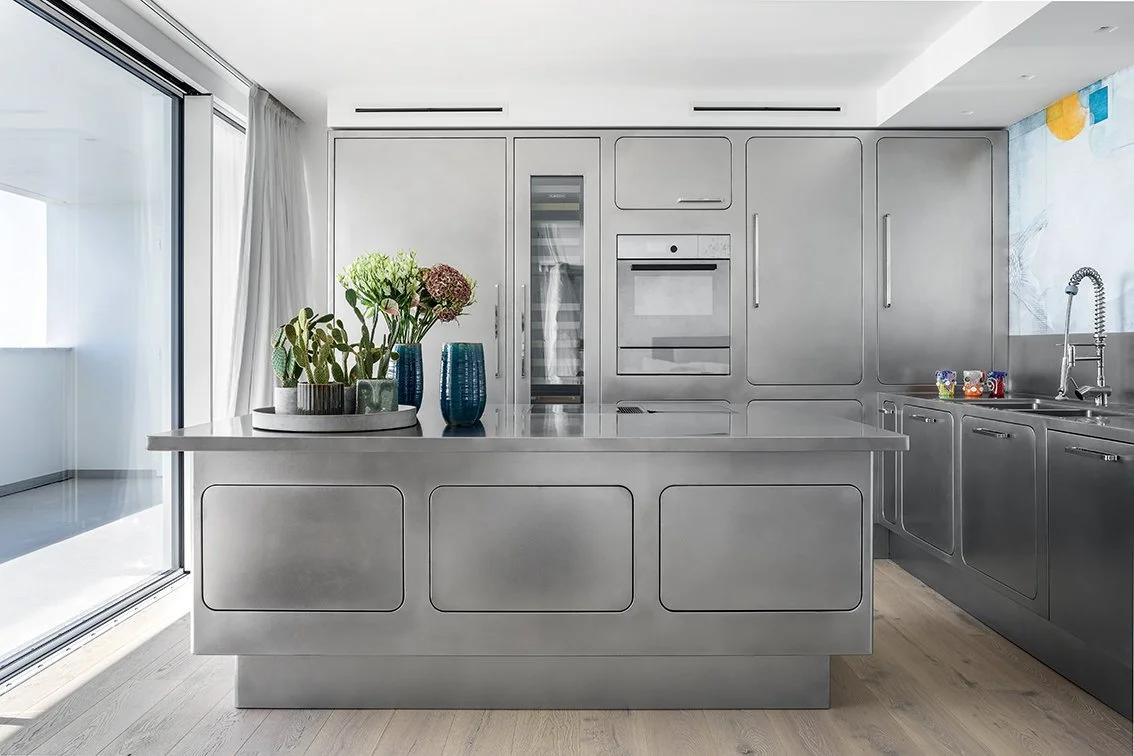
Stainless steel cabinets are used in residential kitchens, commercial kitchens, hospitality facilities, workshops and other environments where durability, cleanability and a modern appearance are important.
For kitchen brands, cabinet distributors, contractors and importers, customized stainless steel cabinets can provide greater flexibility than choosing from a limited range of standard sizes. However, a successful order depends on selecting the right material, defining the cabinet structure and confirming the manufacturing details before production.
Goodsteel supports international buyers looking for stainless steel products and customized metal solutions. This guide outlines the main factors to consider when sourcing custom stainless steel cabinets.
1. Define the Cabinet’s Application
Start by identifying where the cabinets will be installed and how they will be used.
Residential kitchen cabinets may emphasize design, storage and integration with other kitchen components. Commercial cabinets may need to withstand more frequent use and cleaning. Workshop or utility cabinets may require different storage layouts, locking systems or load-bearing features.
Before contacting a supplier, prepare the following:
Overall width, height and depth
Number and arrangement of doors and drawers
Shelf positions and storage requirements
Wall-mounted, built-in or freestanding installation
Expected loading and frequency of use
Sink, appliance or service cut-outs
Required finish and handle style
Quantity and delivery destination
Drawings, reference photos and a bill of quantities make it easier for the supplier to understand the project.
2. Select the Appropriate Stainless Steel Grade
Material selection should reflect the cabinet’s environment, cleaning routine and budget.
Grade 304 stainless steel is widely used in many general kitchen and architectural applications. Grade 316 may be considered where chloride exposure or more demanding corrosive conditions make it appropriate. The correct choice depends on the actual service environment.
Buyers should ask which grade applies to each major component. Visible panels, shelves, frames, fasteners and hardware may not all be made from the same material. Clear documentation helps prevent misunderstandings.
For projects with strict material requirements, specify the required grade and any supporting material documentation in the purchase order.
3. Cabinet Strength Depends on More Than Sheet Thickness
A common purchasing mistake is to compare cabinets only by the thickness of the stainless steel sheet.
In practice, cabinet strength also depends on folded edges, panel geometry, internal reinforcement, frame design, shelf spans, hinges, drawer slides and mounting points.
For cabinets supporting heavy equipment or frequent commercial use, explain the expected load and operating conditions. Ask the supplier to confirm the proposed construction and hardware against those requirements.
A properly designed cabinet should balance structural performance, appearance, weight and cost. The most economical sheet thickness is not necessarily the most economical long-term choice if it results in deformation or premature hardware failure.
4. Choose the Right Surface Finish and Details
Surface finish strongly influences the final appearance of a stainless steel cabinet.
Brushed finishes are often selected for a clean, understated appearance. Polished finishes offer a more reflective look but may show fingerprints and scratches differently. Other decorative finishes may be available depending on the design and manufacturing capability.
Buyers should also pay attention to details that are easy to overlook:
Smooth and consistent edges
Weld finishing and corner quality
Door gaps and alignment
Handle design and placement
Hinge and drawer-slide quality
Consistent appearance across panels
Protective film and packing method
For premium projects, request close-up photographs or a sample before approving a large production batch.
5. Customization Options for OEM and Project Orders
Depending on the product design and supplier capabilities, custom stainless steel cabinets may include:
Adjustable shelves and internal dividers
Drawers and lockable compartments
Integrated or concealed handles
Backsplashes and side panels
Appliance or plumbing cut-outs
Casters or adjustable feet
Wall-mounting systems
Custom dimensions and layouts
Coordinated cabinet sets for complete projects
For OEM orders, clarify branding, labeling, packaging, instruction sheets and spare hardware requirements. Approve the final drawings and finish references before production begins.
For a project with multiple cabinet models, create a model list that links each drawing to the correct quantity and configuration.
6. Quality Control Before Shipment
Quality inspection should be based on the agreed specification rather than subjective descriptions such as “premium quality.”
A practical inspection plan may cover:
Overall dimensions and squareness
Door and drawer alignment
Opening and closing operation
Shelf supports and reinforcement
Weld appearance and edge smoothness
Surface finish consistency
Hardware installation and quantity
Packing and labeling
For larger orders, agree on inspection timing and acceptance criteria before manufacturing. Photographs and inspection records can help document the condition of the goods before shipment.
7. Packaging and International Delivery
Cabinets can be shipped assembled, partially assembled or in flat-packed form, depending on size, design, shipping efficiency and installation requirements.
The packing plan should protect visible surfaces from abrasion and prevent doors, drawers and accessories from moving during transport. Confirm corner protection, separators, carton or crate strength, moisture protection and labeling.
For international orders, agree on the shipping term, destination, production lead time and responsibility for customs clearance. Buyers should also confirm any local product, labeling or import requirements applicable to their market.
8. How to Request a Custom Cabinet Quotation
To receive a more accurate quotation, provide:
Drawings or dimensioned sketches
Cabinet dimensions and quantity
Intended application and environment
Stainless steel grade
Sheet thickness or required construction
Surface finish and color
Door, drawer, shelf and hardware details
Loading or performance requirements
Packaging and labeling requirements
Destination and preferred delivery terms
If some details are not yet finalized, ask the supplier to quote a clearly defined base configuration and list optional upgrades separately.
Conclusion: Turn Your Design into a Clear Specification
Custom stainless steel cabinets can support a wide range of residential, commercial and industrial projects. The best results come from matching material grade, construction, finish and hardware to the intended use.
Goodsteel welcomes inquiries from kitchen brands, cabinet distributors, contractors, importers and project buyers seeking customized stainless steel products.
Share your drawings, dimensions, quantity and preferred finish with Goodsteel to discuss your cabinet requirements and request a quotation.