
Stainless Steel Custom Fabrication
Custom Stainless Steel Fabrication: How Engineering Projects Become Finished Products
Custom stainless steel fabrication plays an important role in modern construction, architecture, interior design, and industrial projects.
When standard products cannot meet the dimensions or design requirements of a project, customized fabrication allows stainless steel to be transformed into products designed specifically for the application.
Good Steel Group provides customized stainless steel processing and metal product solutions for overseas customers.
Why Custom Stainless Steel Fabrication?
Engineering projects often have unique requirements.
For example:
Non-standard dimensions
Special angles
Customized openings
Complex shapes
Specific surface finishes
Special edge treatment
Integration with glass or aluminum
Architectural design requirements
Instead of modifying the project to fit standard products, custom fabrication allows the product to follow the project's design.
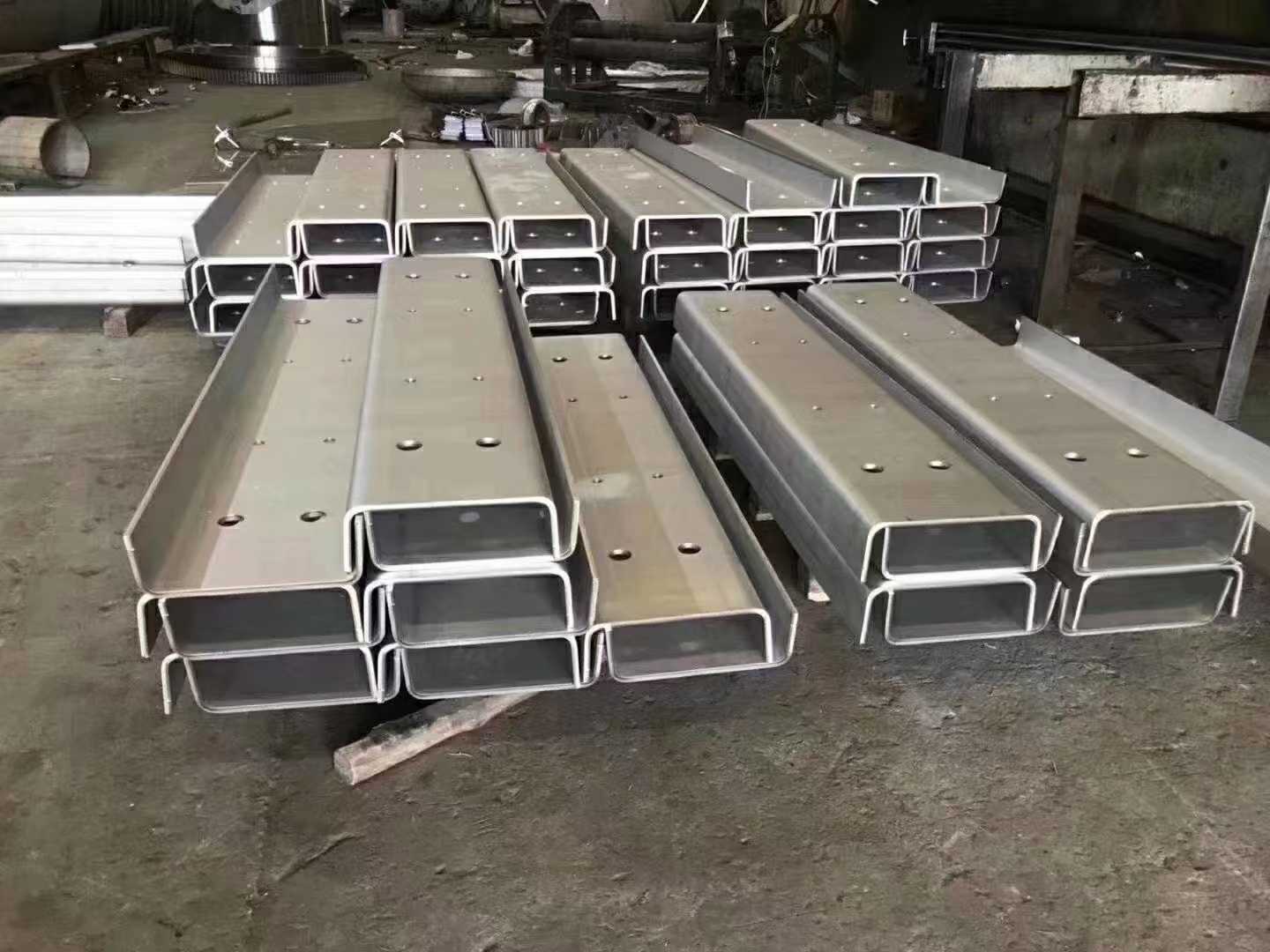
Step 1: Project Drawing Review
The process normally begins with drawings or specifications from the customer.
These may include:
CAD drawings
PDF drawings
3D models
Product sketches
Dimensions
Material specifications
Surface requirements
The supplier needs to understand the application before determining the most suitable manufacturing process.
Step 2: Material Selection
The correct stainless steel grade and thickness are selected according to the application.
Common options include 304 and 316 stainless steel.
The choice depends on:
Indoor or outdoor use
Corrosion exposure
Mechanical requirements
Surface appearance
Budget
Project specifications
Step 3: Cutting and Bending
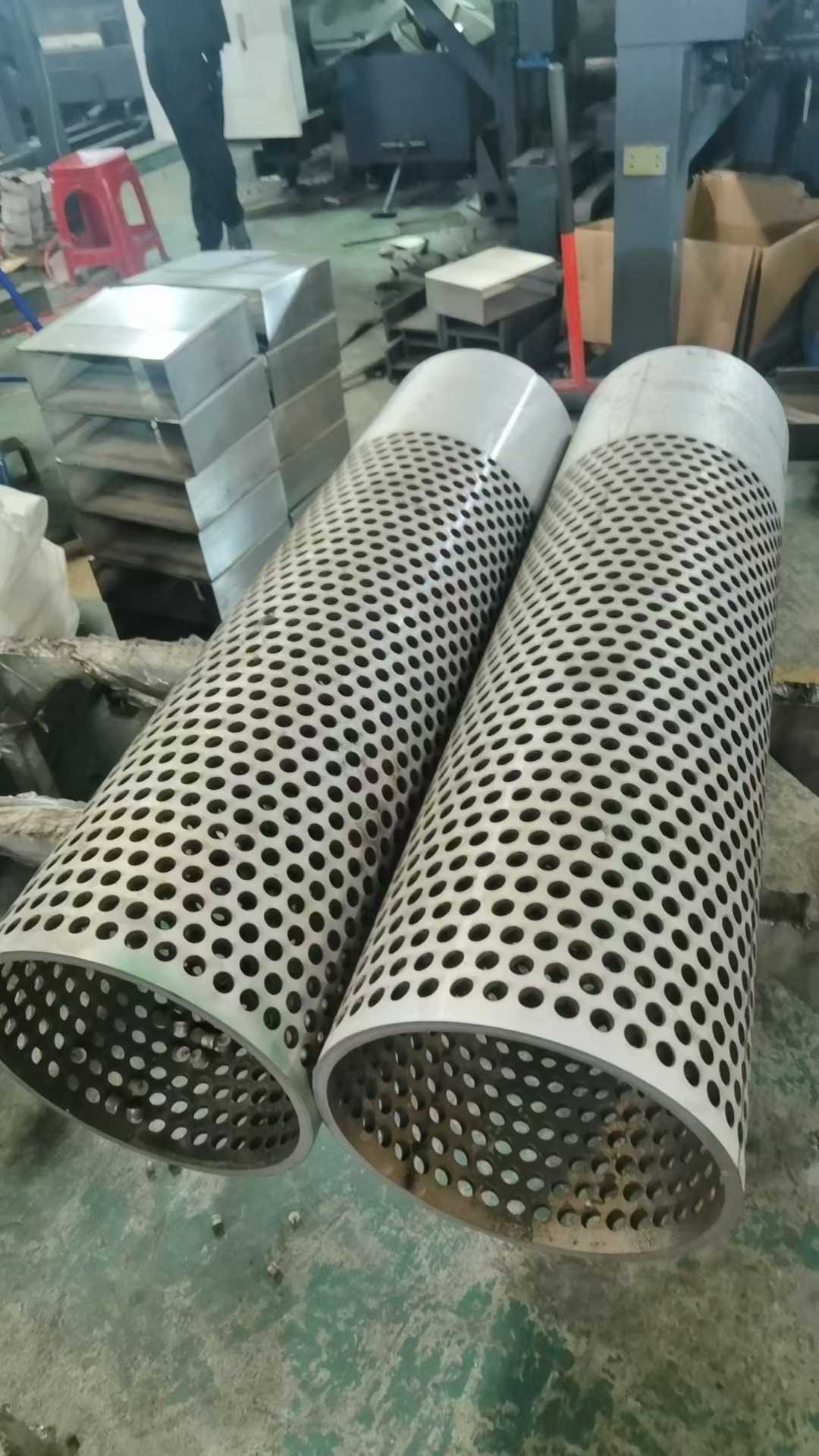
Laser cutting provides accurate dimensions and customized shapes.
CNC bending is then used to form the required geometry.
Accurate cutting and bending are particularly important when multiple components need to fit together during installation.
Step 4: Welding and Assembly
After cutting and bending, components can be assembled through welding.
For architectural products, welding areas may require additional grinding and polishing to achieve a cleaner appearance.
Step 5: Surface Treatment
The final surface can be processed according to project requirements.
Options include:
Hairline
Brushed
No.4
Mirror
BA
PVD
Customized decorative finishes
Step 6: Inspection and Packing
Before shipment, finished products are inspected for dimensions, surface quality, fabrication accuracy, and other project requirements.
Proper packaging is also essential.
Stainless steel surfaces can be vulnerable to scratches during transportation, especially for highly polished or decorative products.
Protective film, customized packing, and appropriate handling procedures can help reduce transportation damage.
Applications
Good Steel Group's customized stainless steel fabrication can support:
Stainless steel doors
Architectural metalwork
Wall panels
Partitions
Handrails
Decorative components
Commercial interiors
Hotel projects
Residential projects
Customized engineering components
Conclusion
Custom stainless steel fabrication connects design with manufacturing.
A successful project requires more than machinery. It requires accurate communication, material knowledge, fabrication experience, surface finishing capability, quality control, and careful packaging.
Good Steel Group works with international customers to transform drawings and specifications into finished stainless steel products.
Send us your drawings, dimensions, or reference samples to discuss your next stainless steel project.